


Overlanding in northern Sweden is easy to start and hard to stop. The gravel roads along the Pite River near Vidsel and the pine forests of Norrbotten are quiet, and the right of public access (allemansrätten) lets you stay in nature for a short time. What ends most stays is not the weather. It is water, waste and power.
Water runs out first
A typical fresh water tank lasts a couple of days, and less if you shower on board. Plan your refills before you park somewhere remote, and carry a spare canister for drinking water.
Grey water and toilet waste
Grey water and toilet cassettes fill up as fast as the fresh tank empties. In Sweden they must not be emptied into nature: not into the moss, a ditch or a river. Use a designated disposal point, for example at a campsite, and plan your route so that one is within reach.
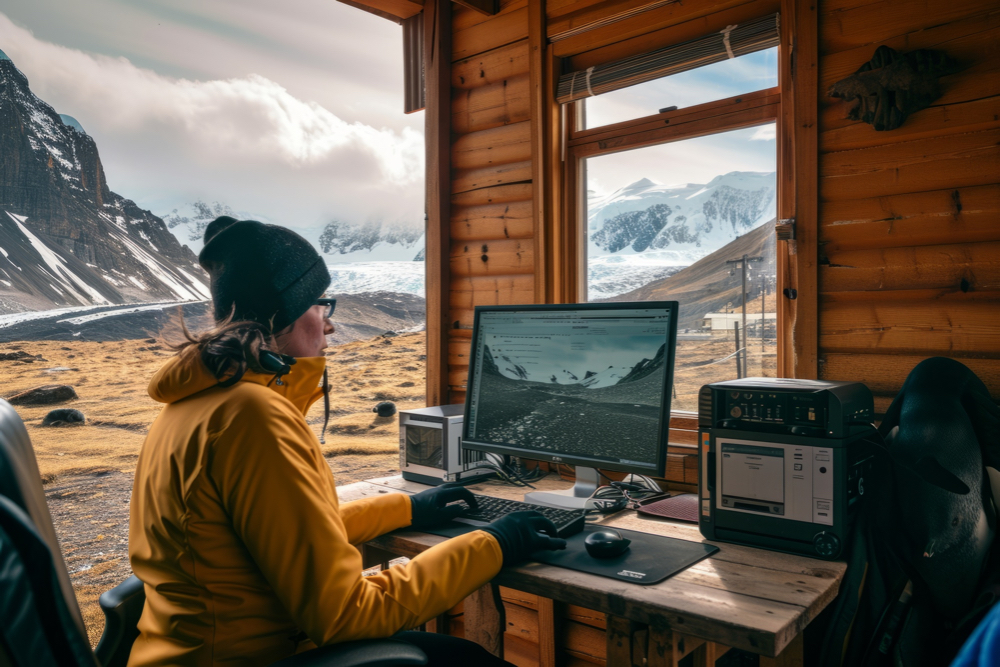
Power in the north
Solar panels work well in the long summer days. In autumn and winter, however, the sun stays low, and a few grey days under tall pines can bring the yield close to zero. If you work from the road, keep a margin in your batteries and a way to charge while driving.
Breaking camp to reset
When any of these limits is reached, you have to pack up, drive a heavy vehicle back along narrow forest roads and find a service point. So the simplest way to stay longer in one place is to use less: short showers, a separate drinking-water canister and a laundry stop planned in advance.
The right of public access
Allemansrätten allows you to walk in nature and, with some care, to stay for a short time. It comes with duties: keep a distance from houses, leave no trace and follow the rules of nature reserves such as Storforsen. The Swedish Environmental Protection Agency explains the details on naturvardsverket.se.
Staying near Vidsel in winter? See our snowmobile tours in Vidsel, or read about hiking trails near Vidsel for the snow-free months.